Understanding the psychological effects of gambling Why do we play
The Allure of Gambling
Gambling offers an exhilarating mix of uncertainty and anticipation, which can be psychologically appealing. The act of placing a bet can trigger a rush of adrenaline, often compared to the thrill of extreme sports or roller coasters. This heightened state of excitement is largely due to the brain’s release of dopamine, a neurotransmitter associated with pleasure and reward. Consequently, individuals may find themselves drawn to gambling not just for the potential financial gain but for the emotional experience it provides. You can explore this thrilling environment at mafiacasinonz.nz, which offers various exciting gaming options.
Many gamblers report a sense of euphoria when winning, which can reinforce their behavior and entice them to return for more. The notion of hitting the jackpot or scoring a big win creates a vivid mental image that many find hard to resist. This psychological reinforcement plays a critical role in why individuals engage in gambling, often overlooking the odds or the potential for loss. The lure of gambling goes beyond mere monetary stakes; it encapsulates the human desire for excitement and risk-taking.
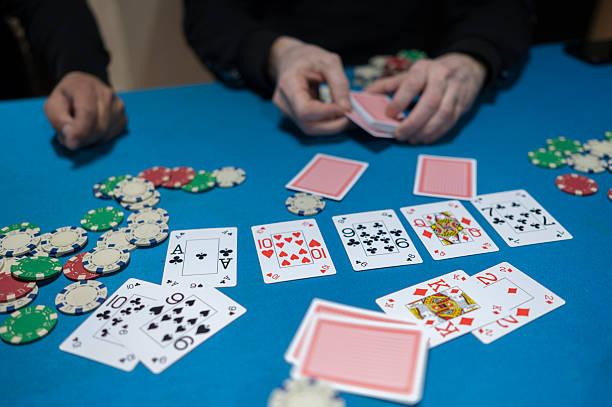
Furthermore, social factors contribute significantly to the appeal of gambling. Whether it’s playing poker with friends or betting on a sports game, the communal aspect can heighten the experience. Many people associate gambling with social gatherings or celebrations, making it a culturally accepted form of entertainment. This social reinforcement can create a sense of belonging and camaraderie, making the activity even more attractive. As a result, gambling can fulfill multiple psychological needs, from thrill-seeking to social connection.
The Psychological Mechanisms Behind Gambling
Understanding the psychological mechanisms at play in gambling is crucial to grasping its effects. Cognitive biases, such as the illusion of control, lead gamblers to believe they can influence outcomes. For instance, players may think their skill level or strategies significantly impact a game of chance. This false sense of control can lead to excessive gambling, as individuals may overestimate their ability to win and underestimate the randomness of the outcomes.
Another critical psychological factor is the variable ratio reinforcement schedule prevalent in many gambling scenarios. This means that rewards are given at unpredictable intervals, leading to heightened levels of excitement and motivation to continue. This unpredictability keeps players engaged, as they constantly anticipate the next win. Similar to how slot machines operate, where players may sit through numerous spins before experiencing a win, the brain becomes conditioned to associate gambling with intermittent reinforcement, which can foster addictive behavior.
The concept of “loss aversion” is also pertinent when discussing gambling psychology. Loss aversion refers to the tendency for individuals to prefer avoiding losses over acquiring equivalent gains. Gamblers often continue betting in an attempt to recover their losses, a behavior known as “chasing losses.” This cycle can create a problematic relationship with gambling, where the psychological drive to negate past losses can lead to even more significant financial setbacks. Understanding these underlying mechanisms can offer valuable insights into the psychology of gambling.
The Impact of Gambling on Mental Health
The mental health implications of gambling cannot be overstated. For some individuals, gambling may start as a form of entertainment but can escalate into a compulsive behavior. This transition can lead to significant mental health issues such as anxiety, depression, and stress-related disorders. Individuals may find themselves in a cycle of gambling to cope with negative emotions, creating an unhealthy reliance on the activity to manage their feelings.
Furthermore, problem gambling can lead to substantial life disruptions. Relationships may suffer as individuals prioritize gambling over familial and social obligations. Financial instability can also arise, which can exacerbate feelings of shame and guilt, contributing to a declining mental state. Many individuals do not recognize the extent of their problem until they experience significant personal consequences. Mental health professionals increasingly recognize the need for comprehensive treatment approaches that address both the gambling behavior and the underlying psychological issues.
As awareness of the mental health effects of gambling rises, more resources are becoming available for individuals seeking help. Support groups, counseling, and therapy can provide crucial assistance for those struggling with gambling addiction. It’s important for gamblers to understand that seeking help is a sign of strength, and mental health services are designed to guide them toward recovery. Awareness and education are vital in mitigating the risks associated with gambling and promoting healthier behaviors.
Responsible Gambling Practices
Emphasizing responsible gambling practices is essential in mitigating the negative effects of gambling. Operators and platforms must actively promote messages of moderation and self-awareness among players. This can involve setting limits on spending, providing resources for self-exclusion, and encouraging players to take regular breaks. By fostering a culture of responsibility, both players and operators can contribute to healthier gambling environments.
Educational initiatives also play a crucial role in responsible gambling. Teaching individuals about the odds, risks, and psychological aspects of gambling can empower them to make informed choices. Understanding that gambling is primarily a game of chance can help mitigate the feelings of control and overconfidence that many gamblers experience. Informed players are more likely to approach gambling as a form of entertainment rather than a means to financial gain.
Additionally, promoting positive gambling experiences is key. Creating environments that prioritize enjoyment and social connection over financial stakes can reduce the risk of compulsive behavior. Gamblers should be encouraged to engage in the activity for fun, emphasizing the social and entertainment aspects rather than solely focusing on monetary outcomes. Such strategies can help shift the perception of gambling from a potentially harmful activity to a leisure pursuit enjoyed responsibly.
Mafia Casino: A Safe Gambling Environment
Mafia Casino understands the significance of providing a safe and responsible gambling experience for its users. With an extensive selection of games, including slots and live casino options, the platform is designed to cater to diverse gaming preferences while prioritizing player safety. New players can benefit from generous bonuses and promotions, which create an enticing yet responsible gaming atmosphere.
The website actively promotes responsible gambling practices and encourages players to set limits to protect their well-being. By offering resources and support, Mafia Casino aims to foster a positive gaming environment that enhances player satisfaction. Regular promotions and VIP rewards are structured to elevate the gaming experience while ensuring players remain engaged without crossing into harmful behavior.
In conclusion, understanding the psychological effects of gambling is vital for both players and operators. By promoting a culture of responsibility and providing a supportive environment, platforms like Mafia Casino can enhance the gaming experience while mitigating risks. This balanced approach to gambling not only emphasizes enjoyment but also encourages players to make informed and responsible choices, ultimately leading to a healthier relationship with gaming.